0
My Cart
No products in the cart.
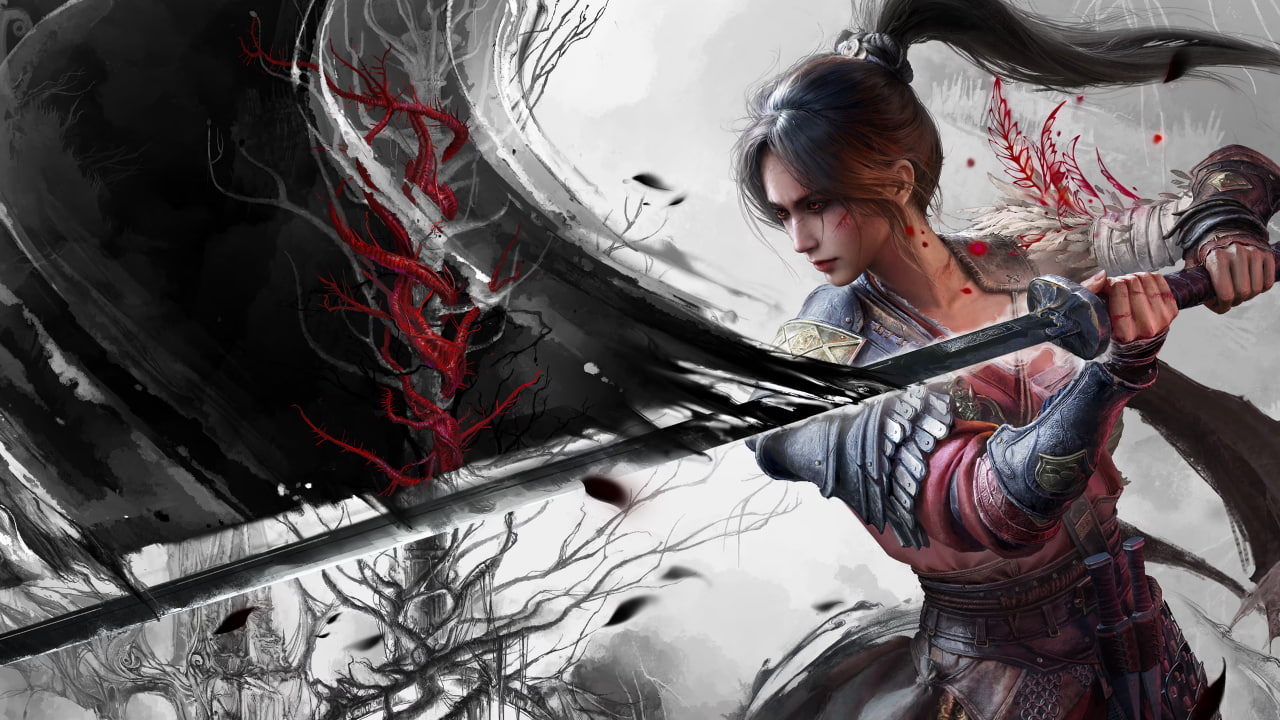
Leenzee Games may not be a household name yet, but with Wuchang: Fallen Feathers, the Chengdu-based studio is looking to make a serious impression. Originally unveiled in 2021 via an unusually long 18-minute gameplay trailer, the game instantly turned heads with its polished visuals and haunting atmosphere. Now, in 2024, it’s finally stepping out of the shadows—and it might just be one of the most intriguing Soulslikes in years.
A Chinese Gothic World on the Brink
Set during the waning days of the Ming Dynasty, Wuchang: Fallen Feathers fuses historical Chinese aesthetics with grim fantasy. The central threat is a supernatural disease known as the “Feathering,” which corrupts both mind and body. Players step into the role of Wuchang, a mysterious warrior infected by the illness but still clinging to her sanity—at least for now.
Though the game introduces Wuchang as a voiced protagonist during its opening moments, she quickly becomes silent for the rest of the story. While this may be standard Soulslike fare, it feels like a missed opportunity—there’s clear depth to her character that remains frustratingly untapped.
Storytelling Through Atmosphere
The narrative draws from real-world history and political conflict, yet doesn’t require a deep understanding of the Ming Dynasty to follow. The game’s emotional pull lies more in its side stories and visual storytelling than exposition. Whether it’s war-hardened soldiers clinging to life, desperate survivors seeking redemption, or the decay of nobility in bloodstained palaces, the world of Wuchang is unrelenting and rich in tone.
Haunting World Design
One of the game’s strongest achievements is its interconnected level design. With no map to guide you, exploration feels overwhelming at first, but soon turns intuitive. Landmarks become mental waypoints, and hidden paths loop cleverly into previous areas, rewarding curiosity. The visual variety only grows as the game progresses, with snowy mountains, plague-ridden villages, and corrupted temples all crafted with impressive detail—even small touches like snow displacement from weapons and footsteps stand out.
A Flexible Combat Playground
Combat starts stiff but evolves into a flexible and satisfying system. Players can carry two weapons at once, each with unique attacks and abilities. Spells, dodging, and weapon abilities tie into a resource called Skyborn Might, which encourages a fast and aggressive playstyle. Perfect dodges and skillful timing earn you more resources, adding tactical depth to every encounter.
What truly sets the progression apart is the Impetus Repository, an open-ended skill tree that supports complete, unlimited respecs. It’s more akin to Path of Exile than Dark Souls, and it invites experimentation with builds ranging from sword-and-spell hybrids to elemental brawlers.
The Madness Mechanic
A standout system is Madness—a stat that rises as you die or through certain actions. Higher Madness boosts your damage but increases vulnerability, and can also add new effects to abilities. It’s a compelling risk-reward system that encourages bold play and rewards mastery of specific builds.
Bosses, Builds, and Brutality
Boss fights are brutal but memorable, especially in the earlier two-thirds of the game. Instead of relying on a central stagger bar to dictate pacing, Wuchang forces you to read your enemies and earn your openings. While some encounters suffer from tight arenas or AI quirks, others shine due to their intensity and clever design.
Interestingly, players who stumble onto overpowered builds later in the game may breeze through late bosses—a balancing issue that could use tweaking, but also a testament to the game’s build diversity.
Soundtrack and Style
The soundtrack deserves a special mention. Traditional Chinese instruments like the pipa and erhu are used beautifully to reinforce the game’s moody, historical-fantasy setting. The music shifts dynamically during boss fights, amplifying the drama and stakes.
The game also features a wide variety of unlockable outfits. Some lean into fanservice, but many others are stylish and lore-appropriate. Thankfully, cosmetic flair never overshadows core gameplay—which remains front and center.
Final Thoughts
Wuchang: Fallen Feathers is an impressive debut that nails the tone, world-building, and progression of a great action RPG. Despite a few rough edges—like uneven pacing and minor bugs—the game’s ambition and polish shine through. For fans of Sekiro, Nioh, or Lies of P, this is a title worth putting on your radar.
