0
My Cart
No products in the cart.
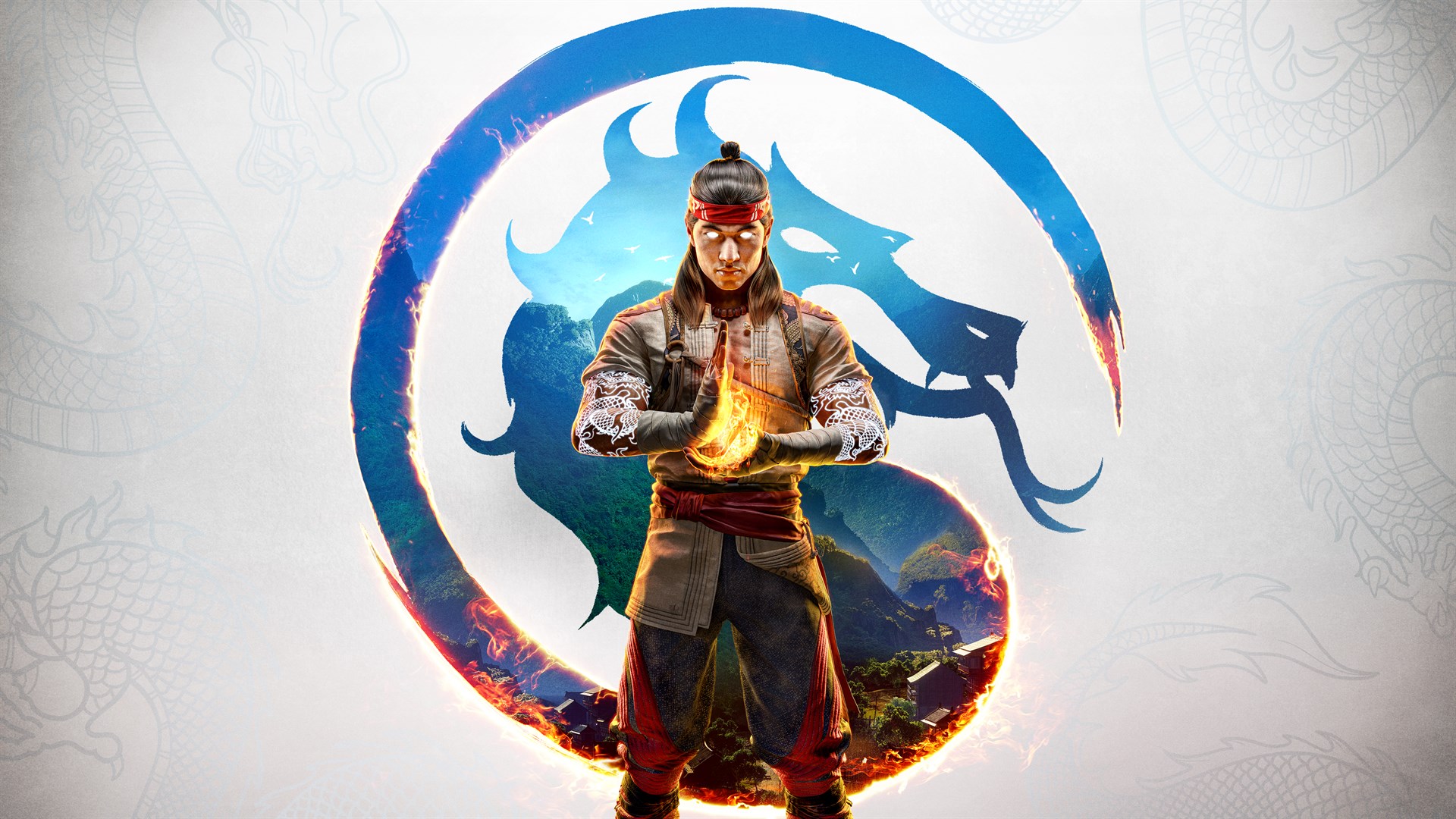
After four years, Mortal Kombat is back with a bold reset. Mortal Kombat 1 (yes, 1—not 12) aims to reimagine the franchise from the ground up, introducing new mechanics, fresh character designs, and an ambitious cinematic story campaign. While its vision is commendable and its visuals are the best the series has ever seen, MK1 doesn’t completely stick the landing—especially when it comes to competitive play and online infrastructure.
MK1 brings a streamlined fighter roster of 22 core characters, plus the pre-order bonus of the iconic Shang Tsung. In place of the previous gear systems and multiple variations per character, the game introduces Kameo Fighters—a nostalgic set of 15 assist characters that can jump in to help during battle.
These Kameo Fighters, featuring retro designs of fan favorites like Sonya, Kano, and Jax, can interrupt combos, stun enemies, or even teleport your fighter mid-match. Finding synergy between your main and Kameo Fighter adds a strategic layer that encourages experimentation. Popular pairings are already emerging in the online scene (Li Mei + Scorpion is a deadly combo), but variety keeps things exciting.
However, the Kameo characters often lack personality—they don’t talk, and their presence feels more cosmetic than meaningful. Likewise, pre-match banter, once a charming feature of MKX and MK11, has been mostly stripped away, reducing the richness of character interactions.
Visually, Mortal Kombat 1 is a triumph. NetherRealm has delivered its most detailed and cinematic fighter yet. Character models are intricately animated, with special attention given to classic and underappreciated fighters from the “3D Era,” like Reptile and Ashrah. Fighting stages are atmospheric and dripping with lore—from Outworld temples to Shang Tsung’s gruesome laboratory.
The violence, of course, is over the top in classic MK style. Fatalities are more grotesque than ever, and the visual fidelity adds to the sick, twisted charm longtime fans have come to expect.
Invasions is MK1’s new single-player mode: a tabletop RPG-inspired journey filled with battles, stat upgrades, and quirky modifiers. Fights may feature odd mechanics—like homing fireballs or pitch-black arenas—which range from amusing to frustrating. Still, Invasions is highly rewarding, giving you tons of unlockable gear, color palettes, and finishers for your favorite fighters.
While there’s no paid battle pass, the grind for cosmetics is real. Mastering both primary and Kameo Fighters earns you in-game currency, making the mode a dream for completionists and collectors.
NetherRealm once again sets the bar for fighting game narratives. Mortal Kombat 1 is a direct sequel to MK11, with Liu Kang now serving as a Fire God overseeing a reset timeline. Familiar faces return with reimagined backstories: Scorpion and Sub-Zero are brothers, Baraka is now a sympathetic figure, and Queen Sindel is no longer a villain.
The campaign is filled with drama, fan service, and jaw-dropping visuals. However, it’s light on actual gameplay—extended cutscenes can last up to 8 minutes. While the final act leans heavily into multiverse chaos and spectacle, fans will likely enjoy its audacity.
Mortal Kombat 1 is a successful reboot in terms of lore, presentation, and accessible gameplay. The new Kameo Fighter system introduces fresh tactical depth, and the cinematic campaign redefines the Mortal Kombat universe in exciting ways. But a lack of online polish and underwhelming character interaction hold it back from true greatness.
Still, with seasonal content, six new fighters coming via Kombat Pack 1, and NetherRealm’s commitment to ongoing updates, this game has massive potential to evolve into a definitive entry in the series.
